News
Exclusive insights and comprehensive analysis of the real estate market.

Category:Apartment Rentals FAQ
Renting in Taiwan: Earnest Money, Deposits & Letters of Intent — The Complete FAQ (30 Questions Tenants Ask Most)
Renting in Taiwan and unsure of the difference between earnest money, a holding deposit, and a Letter of Intent? Getting it wrong before you pay can cost you the money outright. This guide answers the 30 questions tenants ask most — from "can I get my money back if I change my mind?" to "is a Letter of Intent even legally binding?" — in plain English, backed by real cases and the relevant Civil Code articles.
Is Taiwan Rental Income Subject to 10% Withholding Tax or 2.11% NHI Premium?
Typical Apartment-Hunting Timelines for Expats

Can Foreigners Rent Apartments in Taiwan Without an ARC?
Can foreigners rent an apartment in Taiwan without an ARC? Learn the legal reality, landlord expectations, required documents, and how expats successfully rent in Taipei

Updated 2026 - Everything You Need To Know - Taiwan's Employment Gold Card
The Taiwan Employment Gold Card is a comprehensive visa program for international experts in fields including technology, science, finance, and the arts. This all-in-one permit combines a work permit, residence visa, re-entry permit, and ARC, granting holders the flexibility to live and work in Taiwan for up to three years.
Key Benefits:
-
Open Work Rights: Flexibility to work for any company or be self-employed.
-
Tax Incentives: Significant tax reductions for eligible high earners.
-
Family Residency: Simplified visa process for spouses and children.
-
National Healthcare: Immediate access to Taiwan’s world-class health system.
-
Path to PR: A direct stepping stone to Permanent Residency.

Rent Apartments in Taipei, Taiwan: The 2026 Ultimate Guide to Areas & Pricing
Find your perfect apartment in Taipei with our ultimate guide!
Explore essential insights on top districts, neighborhoods, and rental tips in Taiwan—all at your fingertips!
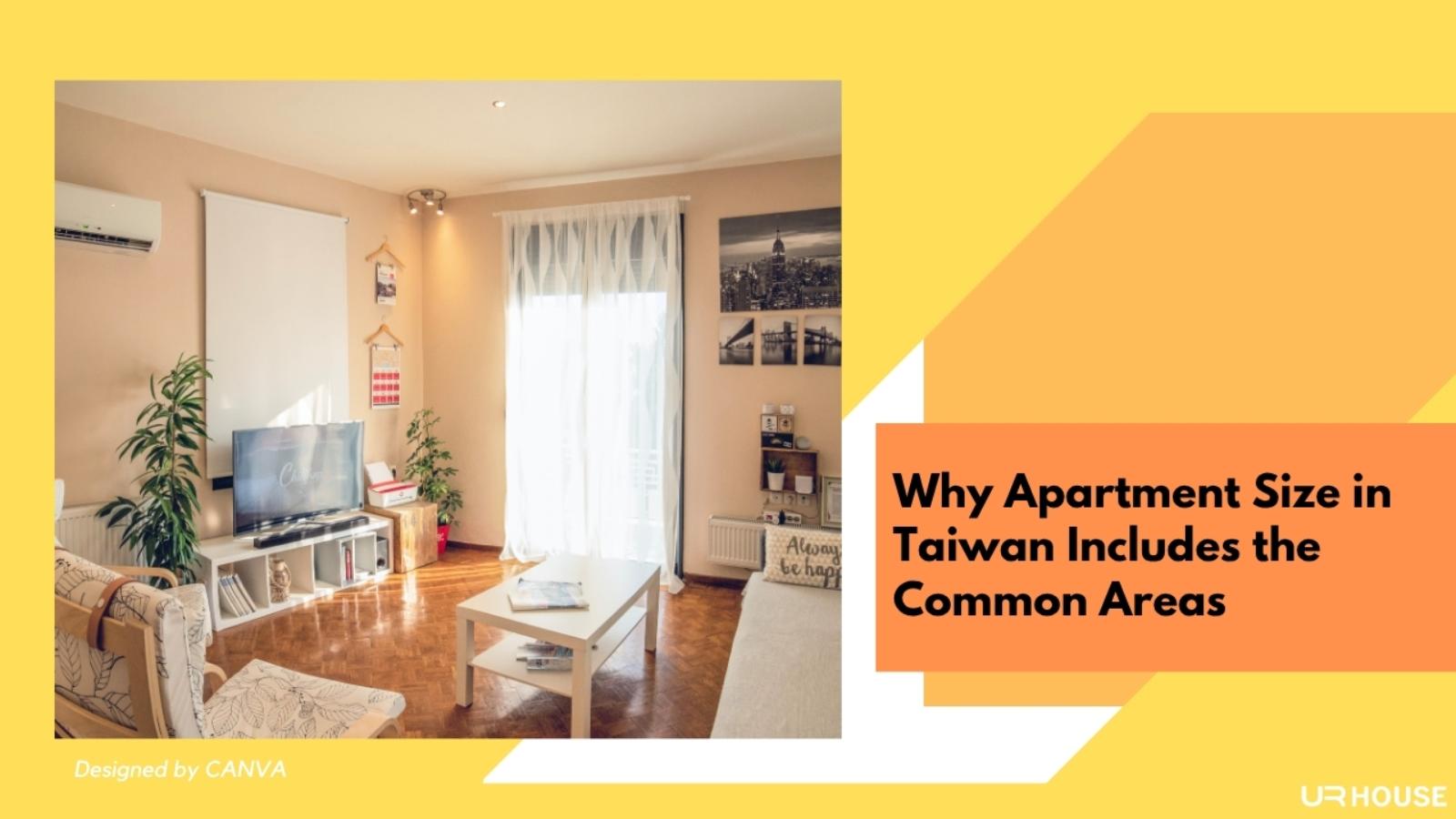
Why Apartment Size in Taiwan Includes the Common Areas
Understanding Apartment Size Measurements in Taiwan
In Taiwan — as in many parts of East Asia — the total size of an apartment, referred to as the “gross floor area” (建坪 / 總坪數), includes both your private living space and a proportional share of the building’s common areas.
This differs from property listings in North America or Europe, where the stated size typically reflects only the net livable area — the actual interior space within your unit.

10 Essential Tips for First-Time Renters in Taiwan
Whether you're relocating for work, study, or a fresh start, navigating the rental market in Taiwan can be challenging. These key tips will help you avoid scams and make informed decisions when renting an apartment.

7 Essential Tips for Renting an Apartment in Taiwan (Updated 2026)
Navigating a foreign real estate market can be complex, especially with unique local customs regarding deposits and lease terms. To help you secure the ideal home, we have compiled seven essential tips for renting in Taiwan. This guide covers everything from evaluating property layouts to understanding your legal rights as a tenant, ensuring a smooth and confident search process

Is Airbnb Legal in Taiwan?
What Property Owners and Renters Need to Know
With Taiwan's growing popularity as a travel destination, short-term rental platforms like Airbnb have seen a surge in use. However, many property owners and travelers are unaware of the legal complexities surrounding these rentals. Is Airbnb legal in Taiwan? Let’s take a closer look.
📌 The Short Answer
Airbnb is not illegal, but operating a short-term rental without the proper licenses and zoning approvals can be.
Legal Framework in Taiwan
Taiwan's Hotel Management Act (旅館業管理規則) regulates short-term accommodations. Any property rented for less than 30 days is considered a “hotel-type business” and must be registered with local authorities.
This means that:
-
Most residential units cannot legally be used for Airbnb.
-
Hosts must obtain a hotel or B&B license.
-
Operating without a license can result in hefty fines.

25 Smart Questions to Ask When Renting an Apartment in Taiwan for the First Time
If you're viewing apartments in Taipei for the first time, it's important to ask questions that help you understand the rental terms, living conditions, and neighborhood, especially if you're new to the city or renting as a foreigner.

Disposing Kitchen Waste in Taiwan FAQ
In Taiwan, kitchen waste disposal follows strict waste management and recycling regulations. Here’s how you can properly dispose of kitchen waste: